With a hot cam like a 286 or similar, to get the power it is necessary to use a lot of serious revs. As the A-Series is a very long stroke engine , unlike a similar era Ford, that make for a lot of bore wear.
Reliable power is never cheap and with mega-revs being used wear rates are high.
Unless it is for 'against the clock' competition you might be advised to go for an engine which has better mid-range torque and thus not need over £1000 worth of transmission to go with it.
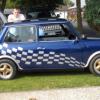
I built a 1990 Cooper 1275 Endurance rally car with an MG Metro cam, 'blueprinted' engine, standard transmission (as mandated by the regs) and a 3.44 FDR. It had about 85 bhp at 5700 and even after I sold it to buy a Rover 214Si rally car, the engine simply lasted forever. But it was fun to drive, handled superbly, was fairly competitive in its class and, overall, not expensive.
Actually it's not so much outright power which gives the Mini its unique performance, but the overall 'feel', handling and steering response. You are better spending £800 more on brakes and suspension then £1500 more on a full-on engine spec. The Mini is never going to be a quick car, so bring out its benefits of agility and friendly driving feel.
That endurance rally Cooper was quicker than a lot of modern cars on twisty tests because it did exactly what I wanted it to, when I wanted it to. I didn't keep putting it off the road or losing time with it 'bogged down' and 'off the cam'. Torque is more important then top end power and it doesn't keep wrecking the engine.
I hope this helps.
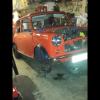
This is the 1990 Endurance Rally car, with its 85 bhp, in action:

Edited by Cooperman, 30 April 2014 - 10:07 PM.